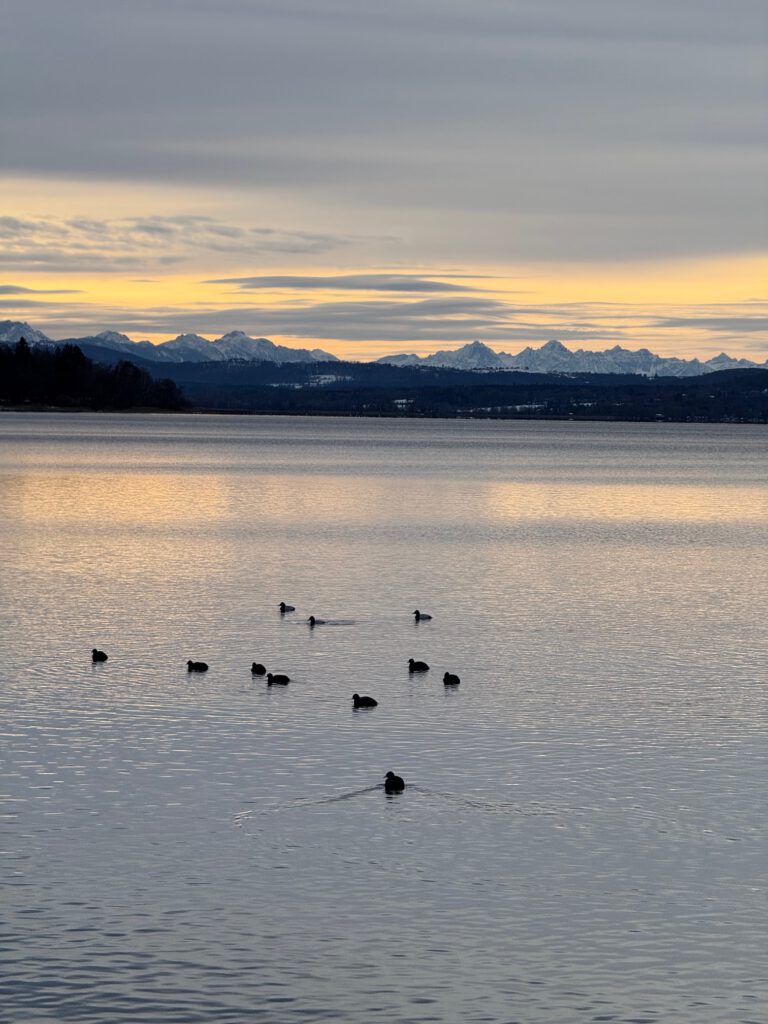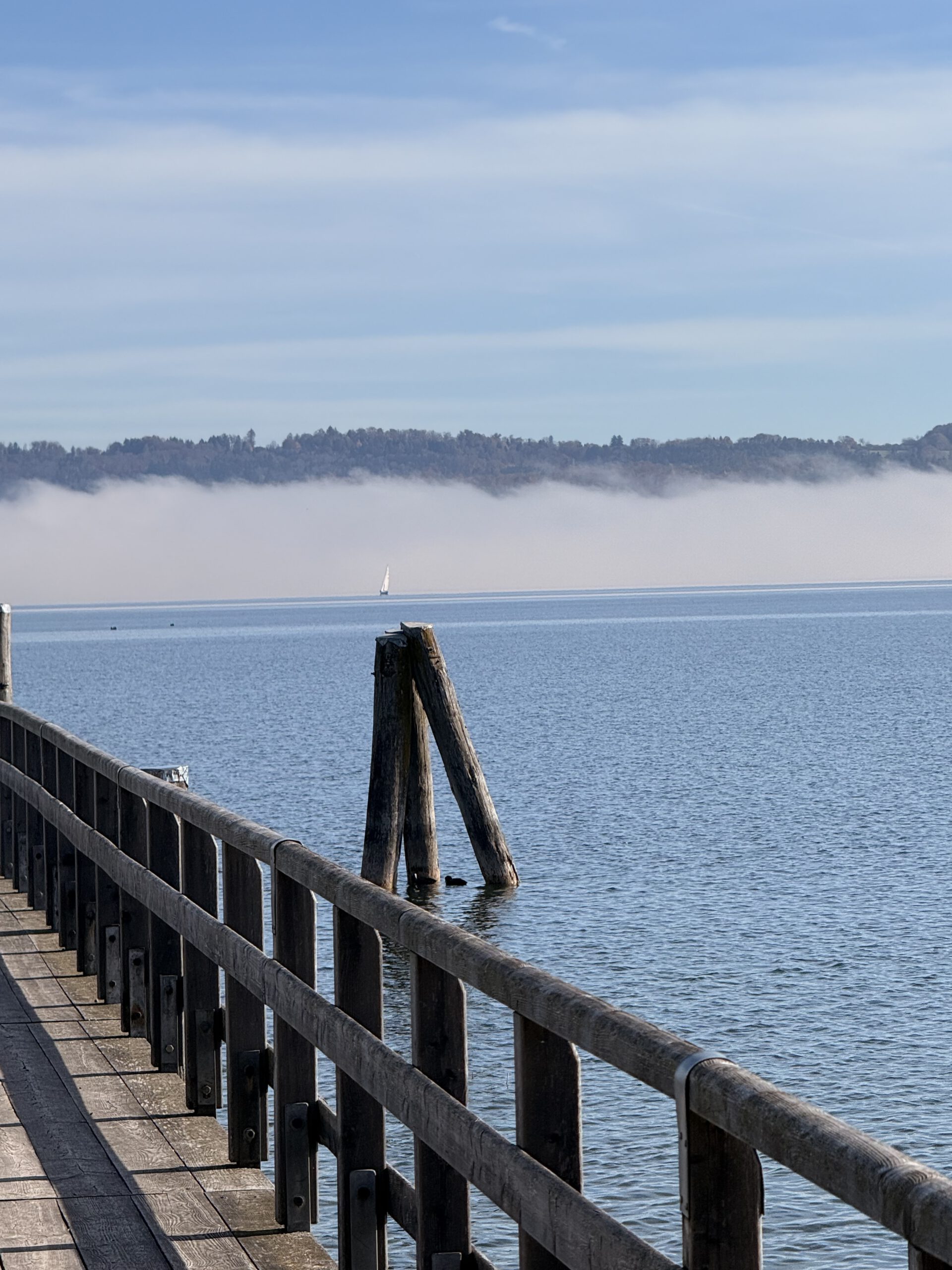
When the November mist settles over Lake Ammersee and the light turns soft, it is easy to see why so many artists were drawn to the west shore. Around 1900, some fifty of them were painting in the open air at Holzhausen, just north of Riederau. Half a century later, Carl Orff settled in Dießen. Their traces lie only a few minutes from our door. Here is our suggestion for a quiet November day following the painters and the composer.
Holzhausen: where the “Scholle” painted
In the 1890s, the Munich academy professor Paul Hoecker regularly brought his students to Holzhausen. They painted outdoors, on the shore and in the meadows, in the ever-changing light over the lake. In November 1899, ten of his pupils founded the artists’ association “Scholle”.
Other painters and illustrators from the Munich magazines “Simplicissimus” and “Jugend” soon followed, among them Eduard Thöny, Fritz and Erich Erler, Walter Georgi and Adolf Münzer. Around 1900, some fifty artists lived and worked here. Several are buried in the churchyard of St Ulrich, and artists still live and work in Holzhausen today.
The Gasteiger artists’ house
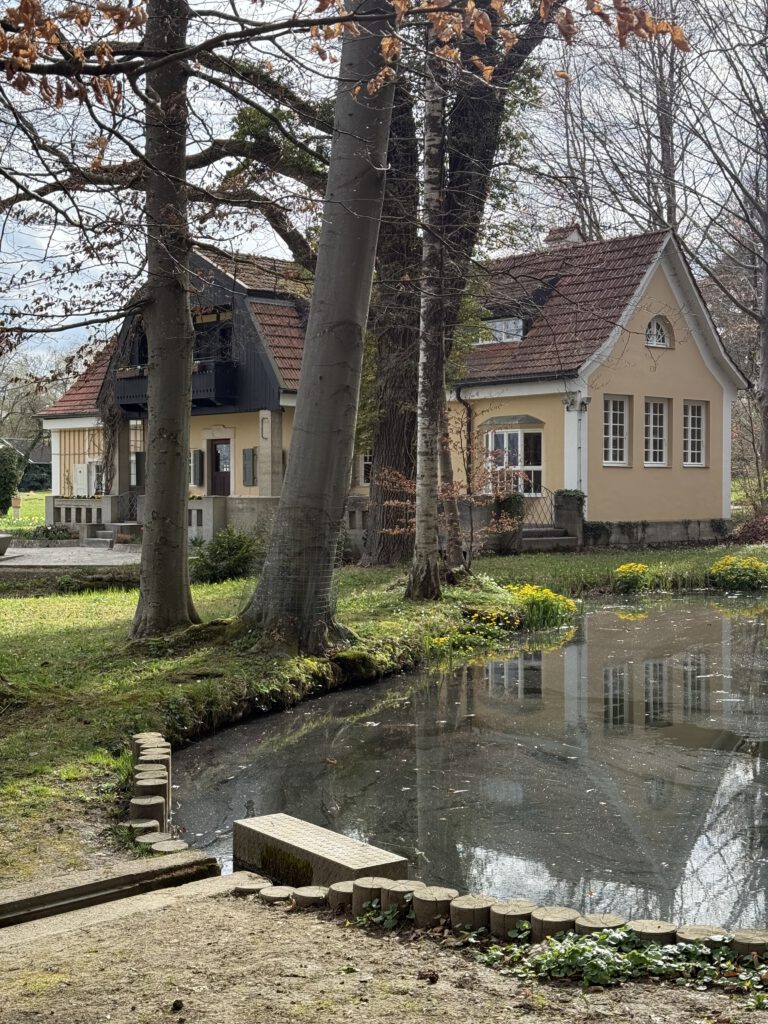
The first artists’ house in the village was begun in 1908 by the sculptor Mathias Gasteiger and his wife, the flower painter Anna Sophie Gasteiger. Many people in Munich know his work without knowing his name: he created the little fountain boys, the Brunnenbuberl, by the Karlstor. The farmhouse parlour is still furnished as it was in 1913, and Anna Sophie’s flower paintings hang in the salon. From the garden, the view runs across the perennial borders to Andechs Abbey.
Their daughter Irene left the house to the Free State of Bavaria in 1984. It is closed from November to March and opens on Sundays from 2 to 5 pm between April and October. Special tours outside these times can be arranged in advance. A good reason to come back in spring.
Carl Orff at the Ziegelstadel
From Holzhausen, the road runs south past the estate to Dießen. Here Carl Orff bought the Ziegelstadel in 1954, and from 1955 he lived in Dießen until his death in 1982. He is known around the world for “Carmina Burana” of 1936. His Schulwerk, which brings music and movement together, still shapes music teaching today.
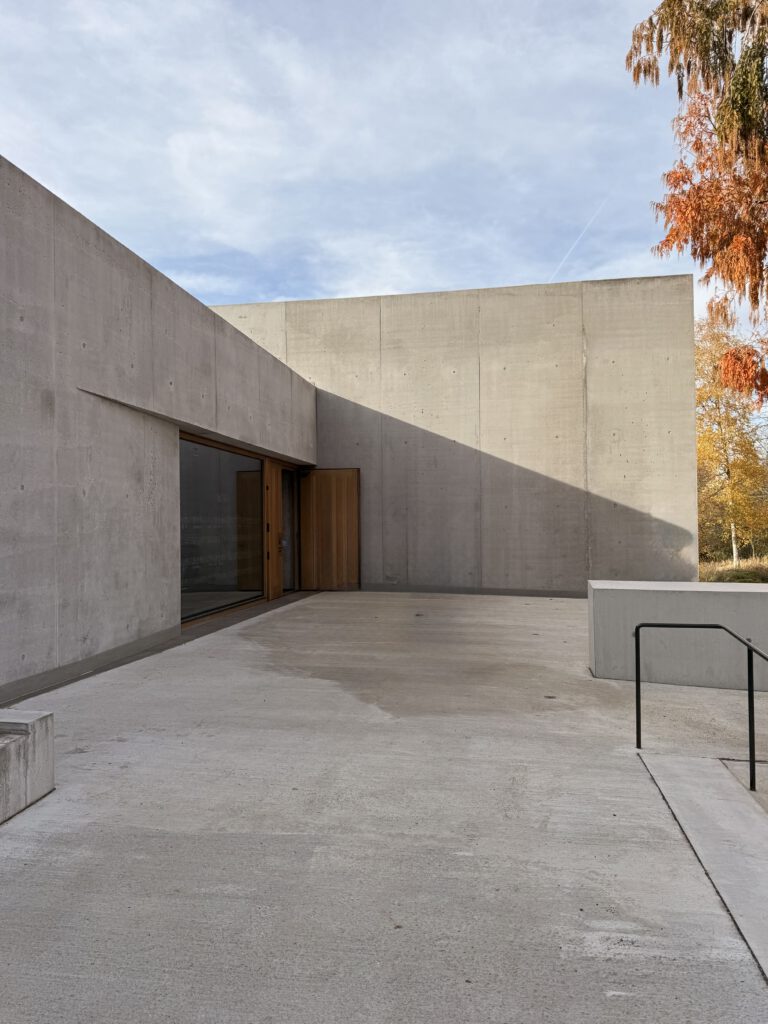
The Ziegelstadel is now home to the Carl Orff Museum, devoted to his life and work, with a garden, a children’s area and the Klangbar café. The museum is open all year: Tuesday to Saturday from 12 noon to 5 pm, Sunday from 10 am to 5 pm, closed on Mondays. It is also closed from 22 to 25 December, on 31 December and on 1 January.
An evening with Karl Vorhölzer
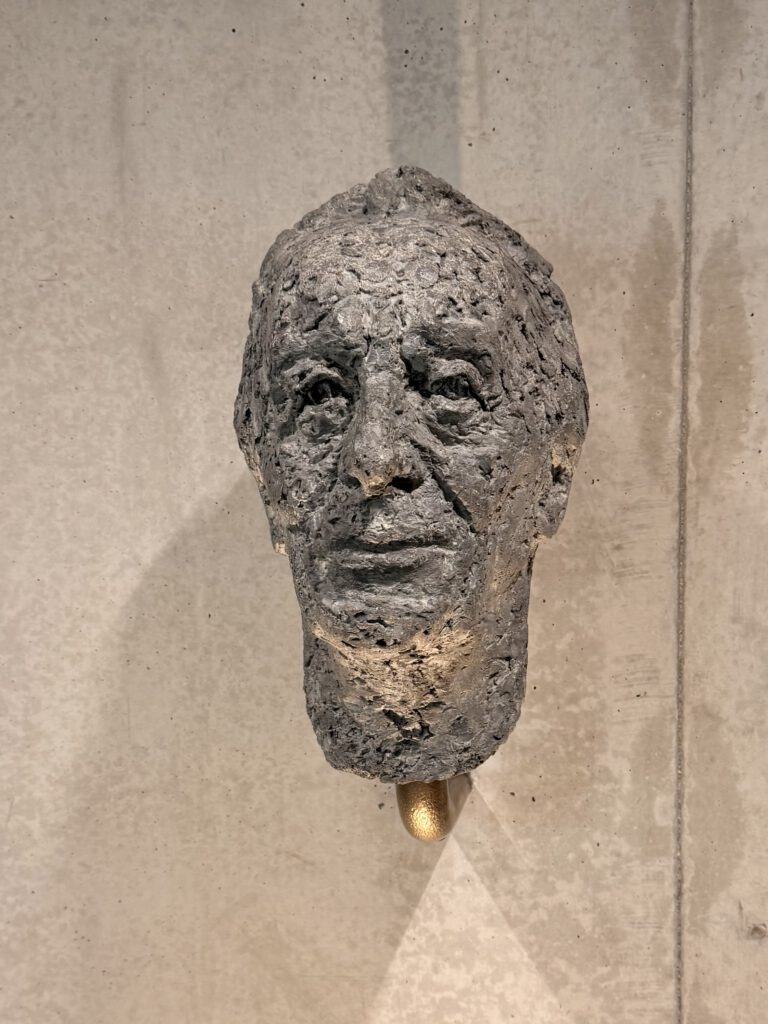
Dießen had its artists long before Orff. One of them was Karl Vorhölzer (1810–1887), painter, theatre maker and chronicler, who left his mark on the town’s cultural life and its appearance. As part of Dießen’s 700th anniversary as a market town, two more evenings take place at the Blaues Haus, Prinz-Ludwig-Straße 23:
- Wednesday 18 November 2026, 7 pm: Herwig Stuckenberger of the local historians’ circle of the Ammersee area introduces Karl Vorhölzer (in German).
- Wednesday 9 December 2026, 7 pm: the historian Guido Treffler on the dissolution of Dießen’s Augustinian canons’ monastery in 1802/03 (in German).
Any late changes are announced on the anniversary website, 700-diessen.de.
Across to Andechs
If you would like to follow Orff’s story to its end, drive round the southern tip of the lake to Andechs. He lies in the Chapel of Our Lady of Sorrows in the abbey church on the Holy Mountain. If you would rather stay close by, walk down to the jetty at Riederau in the late afternoon. From there you look across the water to the abbey, on clear days in the last of the evening light.
Back by the fire
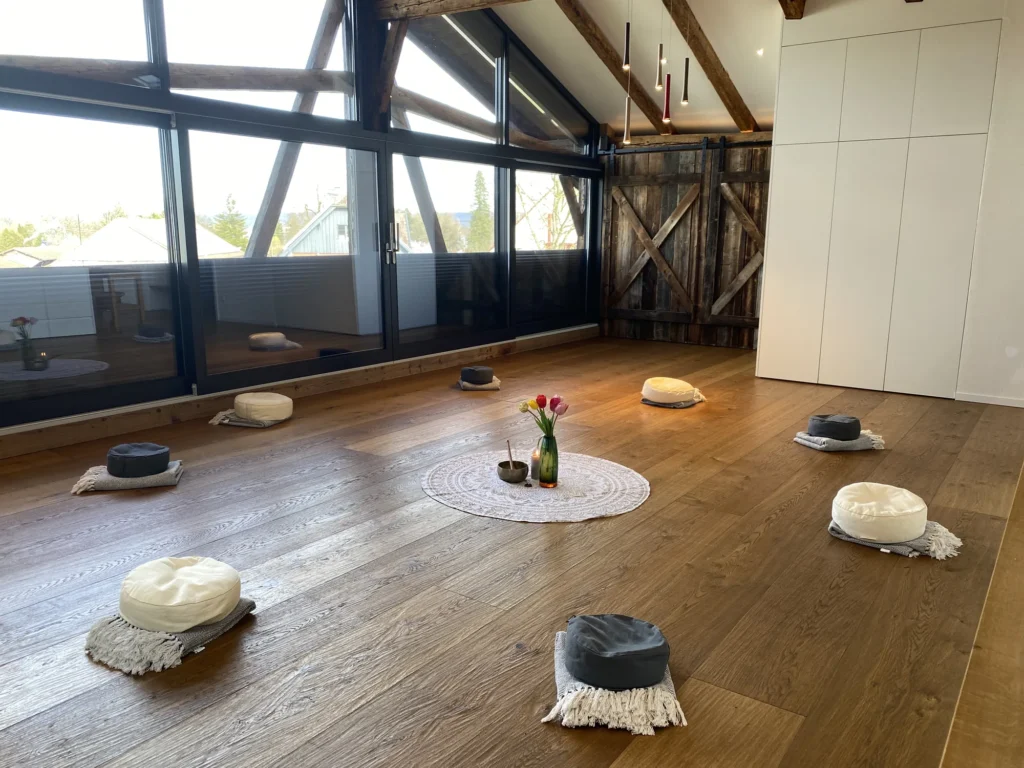
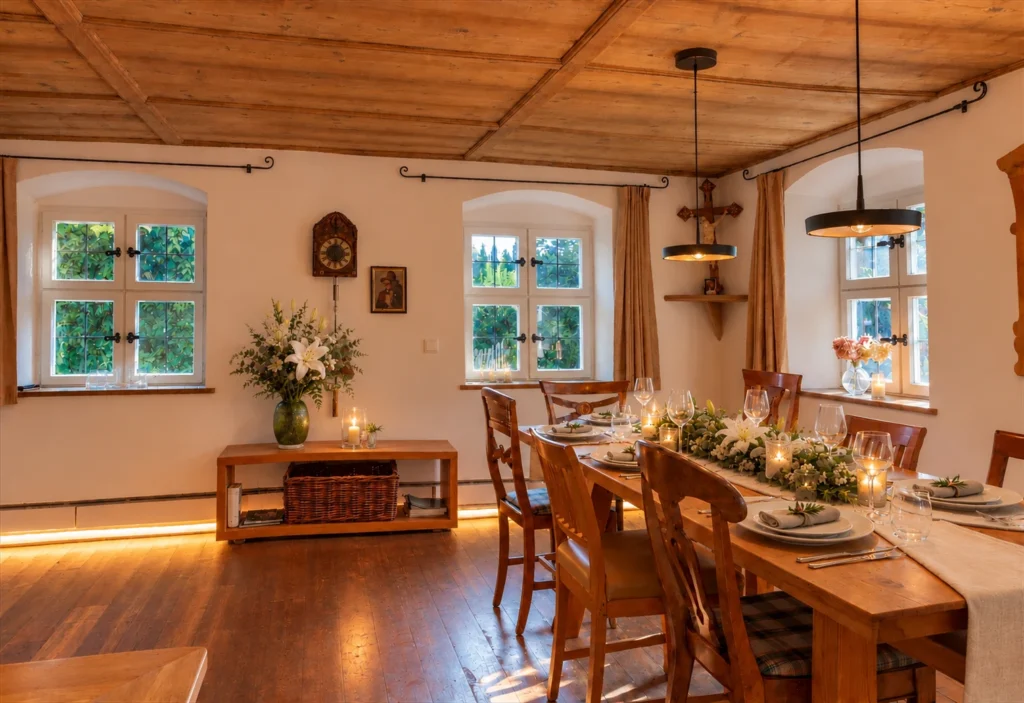
After a day of artists’ houses, a museum and a church, it is lovely to come back to a house with a history of its own. The Stohrerhof was built around 1770, and in the garden stands a granary built in 1696 by the Wessobrunn master carpenter Veit Üblhör. The masonry stove warms the farmhouse Stube, and in the evening the fire is lit in the lounge, in the first-floor living room or in the Penthouse.
Book the Entire Estate and you have five fireplaces and the whole house to yourselves, for up to 15 guests. With a side table, the extendable Stube table seats everyone together. The Main House sleeps up to 11 guests, the Penthouse up to four. Either way, you always have the place to yourselves.
Come to Lake Ammersee in November or during Advent, when the west shore grows quiet and the light shows why the painters came. For arrivals up to 14 December, a two-night stay is enough. You will see the price for your dates straight away in the calendar. We look forward to welcoming you.